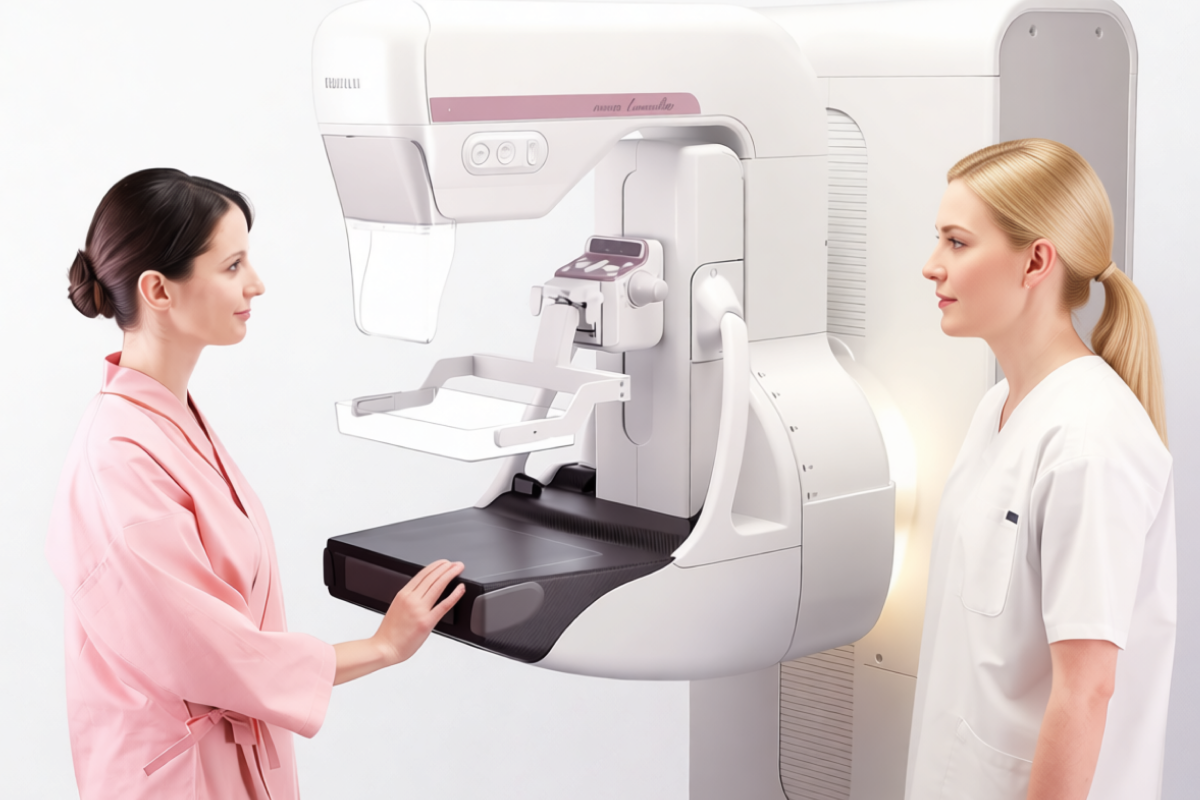
When Should You Have a Mammogram? Recommended Screening Age, Frequency and What You Need to Know
Türkiye's National Breast Cancer Screening Programme, led by the Ministry of Health, recommends mammography every two years for women aged 40–69. International guidelines vary slightly. Some organisations recommend annual screening starting at age 40, while others consider biennial screening sufficient. Women with a family history of breast cancer or a genetic predisposition may need to start screening at a much younger age and undergo more frequent examinations. Your personal screening schedule should be determined in consultation with your doctor, based on your individual risk factors.
Breast cancer is one of the most common cancers among women and often causes no symptoms in its early stages. Mammography is the most effective screening method for detecting breast cancer before a lump can be felt, potentially identifying it at an earlier stage when treatment is generally more effective.
Since October is Breast Cancer Awareness Month, it is an ideal time to review your breast screening schedule.
At What Age Should You Start Having Mammograms?
For women at average risk, the recommended starting age is 40. However, there are slight differences between international guidelines:
OrganisationStarting AgeScreening Frequency
Turkish Ministry of Health (KETEM Programme) | 40 | Every 2 years (ages 40–69)
ACR (American College of Radiology) | 40 | Annually
ACS (American Cancer Society) | Optional at ages 40–44; routine screening from age 45 | Annually at ages 45–54; every 2 years or annually from age 55 onwards
USPSTF (U.S. Preventive Services Task Force) | 40 | Every 2 years (ages 40–74)
In summary, the common ground among these recommendations is that age 40 is the starting point for breast cancer screening in women at average risk. However, there are differing scientific approaches regarding screening frequency, with some organisations recommending annual screening and others recommending screening every two years.
In Türkiye, the national screening programme follows a biennial schedule. More frequent screening may be recommended by a physician, particularly for women with dense breast tissue or additional risk factors.
Note: Always check the latest versions of screening guidelines at the time of publication, as recommendations may change over time.
How Often Should You Have a Mammogram?
Women aged 40–69 at average risk: According to Türkiye's national screening programme, mammography is recommended every two years. Annual screening may also be preferred depending on the healthcare provider's protocol and the physician's assessment.
Women over 69: Screening may continue depending on overall health and life expectancy. The USPSTF recommends screening up to age 74. Decisions for women in this age group should be made in consultation with their doctor.
Don't forget annual clinical examinations: The screening programme also includes an annual clinical breast examination and monthly breast self-examinations. Mammography does not replace these examinations; it complements them.
When Is Earlier or More Frequent Mammography Necessary?
Your screening schedule may differ from the standard recommendations if you have any of the following risk factors. Be sure to discuss them with your doctor:
- A family history of breast or ovarian cancer, particularly in a mother, sister or daughter, especially if diagnosed at a young age.
- A BRCA1, BRCA2 or other genetic mutation associated with increased cancer risk.
- Previous breast biopsy results showing atypical cells or high-risk lesions.
- A history of radiotherapy to the chest area at a young age.
- A personal history of breast cancer, which requires a separate follow-up programme.
- Dense breast tissue, which can reduce mammography sensitivity and may require additional imaging.
For women at high risk, some guidelines recommend starting screening at age 25–30 or approximately 10 years before the youngest age of diagnosis in the family. These screening programmes often include breast MRI in addition to mammography.
A genetic counsellor and a breast specialist should determine the appropriate starting age and screening schedule.
Is Mammography Sufficient on Its Own?
Not in every case. Although mammography is a highly valuable screening tool, it has certain limitations:
- Dense breast tissue: Abnormalities or masses may be obscured by overlapping dense tissue. In such cases, ultrasound and, when necessary, breast MRI may be recommended.
- A palpable lump: Even if the mammogram appears norma